
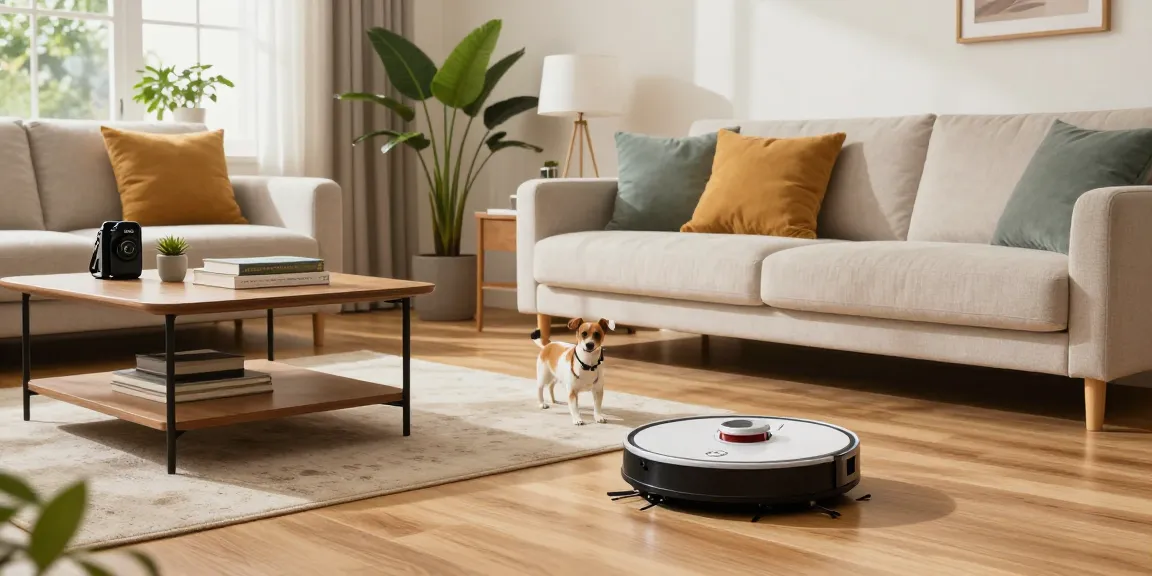
Understanding Robot Vacuums: The Basics
In the evolving landscape of home cleaning technology, robot vacuums have emerged as a crucial solution for busy households. These automated devices promise not just efficiency but also the liberation of time, allowing users to reclaim moments usually spent on mundane chores. To truly appreciate the advancements in this space, especially in 2026, it’s essential to understand what robot vacuums are, how they work, and the key features that make them stand out in the crowded appliance market. When exploring options, best robot vacuum 2026 provides comprehensive insights into the latest models and technologies.
What is a robot vacuum?
A robot vacuum is an autonomous cleaning device designed to navigate and clean floors without human intervention. Utilizing advanced sensors and algorithms, these machines can effectively traverse various home environments, including carpeted and hard flooring, while avoiding obstacles and managing tight spaces. Unlike traditional vacuums, robot vacuums can be programmed to operate at specific times, making them a convenient choice for modern households.
How do robot vacuums work?
Robot vacuums employ a combination of sensors, brushes, and suction technology to capture dirt, dust, and debris. Most models feature infrared sensors to detect objects and avoid collisions, while others use LIDAR technology for mapping their surroundings. This enables them to create efficient cleaning paths and cover areas thoroughly. Additionally, many robot vacuums can connect to Wi-Fi, allowing users to control them through smartphone applications or voice commands for added convenience.
Key features to look for in 2026 models
- Smart Mapping: Many newer models use advanced mapping capabilities that allow them to remember the layout of your home, optimizing cleaning patterns for efficiency.
- Enhanced Suction Power: Look for models that offer adjustable suction settings to handle different floor types effectively.
- Long Battery Life: As technology improves, many models now provide longer battery lives, allowing for extended cleaning sessions before needing to recharge.
- Integration with Smart Home Devices: Robot vacuums can now be integrated with other home automation systems, enhancing their usability and functionality.
- Advanced Filtration Systems: Allergy-friendly models with HEPA filters are becoming increasingly popular, helping to trap allergens and dust for a healthier home environment.
Top Contenders: Best Robot Vacuum 2026
Roborock Saros 10R: Features and Performance
The Roborock Saros 10R stands at the forefront of robot vacuum technology in 2026. With features like powerful suction capabilities and intelligent mapping systems, it excels at cleaning various surfaces, from hardwood floors to thick carpets. Its unique multi-directional wheels allow for agile maneuverability, while an extended battery life ensures that it can handle large areas on a single charge. Furthermore, it boasts an advanced filtration system that captures microparticles, making it an excellent choice for allergy sufferers.
Ecovacs Deebot X11: Innovations in Cleaning
The Ecovacs Deebot X11 introduces several innovative cleaning technologies that set it apart from its competitors. Its unique mopping feature extends beyond traditional cleaning, allowing it to scrub floors and tackle stains effectively. Equipped with smart object recognition, the Deebot X11 can identify different surfaces and adjust its cleaning approach accordingly. Coupled with voice control capabilities, this model also integrates seamlessly into smart home environments.
Mova V50 Ultra Complete: Why It’s a Game Changer
The Mova V50 Ultra Complete has revolutionized the robot vacuum market with its combination of powerful cleaning performance and user-friendly features. Highly efficient on pet hair, it includes advanced brush technology that aggressively lifts debris while maintaining quiet operation. Its customizable cleaning schedules and real-time monitoring through a dedicated app enhance user experience, making it a top contender for 2026.
Comparing Robot Vacuums: Performance Metrics
Suction power and cleaning efficiency
When considering a robot vacuum, suction power and cleaning efficiency are paramount. Models vary in their ability to effectively pick up dirt and debris, particularly in homes with pets or children. It’s crucial to assess the vacuum’s motor strength, as this directly impacts its performance on different surfaces. Comparatively, higher suction power often translates to better overall cleaning efficiency.
Battery life and charging capabilities
Battery life is another critical metric, especially for larger homes. Many modern robot vacuums now offer smart charging capabilities, returning to their docking stations when battery levels are low. This ensures they can complete their cleaning cycles without human intervention. Look for models that provide fast charging options to minimize downtime.
Smart features: Mapping and connectivity
Connectivity and smart mapping features enhance the usability of robot vacuums. Advanced models create detailed maps of your home, enabling them to clean more effectively while avoiding obstacles. Additionally, many can be controlled via smartphone apps, allowing for scheduling and remote operation. Voice command functionality also integrates well with smart home systems, making it easy to incorporate into daily routines.
Common Challenges and Misconceptions
Are robot vacuums suitable for all homes?
While robot vacuums are versatile, they may not be suitable for every home. Homes with excessively cluttered floors or complex layouts may pose challenges for these devices. It’s important to assess your space and consider how obstacles might impact the vacuum’s operational efficiency. Furthermore, very high-pile carpets may also reduce the effectiveness of some models.
Maintenance tips for longevity
Proper maintenance is essential for ensuring the longevity of your robot vacuum. Regularly check and clean the brushes, sensors, and filters to prevent clogs and maintain optimal performance. Many models also feature self-cleaning functions, making upkeep more manageable. Setting reminders for routine maintenance can help prolong the life of your device.
Debunking the cost: Are they worth it?
The initial cost of a robot vacuum can be a significant investment, but when considered in terms of time and convenience, it often proves to be worthwhile. While some models may seem expensive upfront, their ability to reduce manual cleaning effort and time can justify the expense over time. Evaluating your cleaning needs can assist in determining the right investment.
Future Trends: What to Expect in the Next Generation of Robot Vacuums
Emerging technologies and features for 2026
Emerging technologies in robot vacuums for 2026 promise to enhance performance and user experience. Expect advancements in AI, allowing for better navigation and decision-making capabilities. Additionally, improvements in battery technology will likely lead to longer operational times and faster charging. These innovations are set to elevate the capabilities of these devices further.
Integration with smart home systems
As smart home technology continues to advance, so will the integration of robot vacuums within these ecosystems. Future models are expected to seamlessly connect with various smart devices, allowing for more complex cleaning routines and schedules that can be adjusted based on user preferences. This will enhance convenience and personalization.
Eco-friendly designs and sustainability considerations
There is a growing emphasis on ecological considerations within consumer electronics, including robot vacuums. Expect to see more eco-friendly models in 2026, featuring recyclable materials and energy-efficient designs. Manufacturers are increasingly aware of consumer demand for sustainable products and are tailoring their designs to meet these expectations.
How can I select the right model for my needs?
Choosing the right robot vacuum hinges on understanding your specific cleaning needs. Assess the layout of your home, the types of flooring, and any special requirements, such as pet hair management. Reading reviews and comparing specifications can also guide you toward the best option that fits your lifestyle.
What features should I prioritize for pet owners?
Pet owners should prioritize models with powerful suction and specialized brush designs aimed at capturing pet hair. Features like tangle-free brushes and self-cleaning capabilities can significantly enhance the overall experience for homes with animals. Additionally, consider models with HEPA filters to trap allergens effectively, promoting a healthier living space.
Are there budget-friendly options that perform well?
Yes, numerous budget-friendly robot vacuums offer solid performance without breaking the bank. While they may not include all the high-end features of premium models, many provide adequate cleaning power and essential functions for everyday use. Researching user reviews can help pinpoint the best-performing models within a budget range.
How do I troubleshoot common robot vacuum issues?
Common issues with robot vacuums can often be resolved with simple troubleshooting. Cleaning the sensors, checking for clogs in the brush roll, and ensuring the battery is charged are good first steps. Most manufacturers provide comprehensive support and troubleshooting guides through their websites or customer service.
What can I expect for maintenance and service in 2026?
In 2026, maintenance expectations for robot vacuums will continue to include basic upkeep such as cleaning filters and brushes. Additionally, some models may offer self-diagnosing features that alert users when maintenance is needed. Service options will likely expand, with manufacturers providing more support for repairs and parts replacement.
How has technology changed the robot vacuum landscape?
Technology has dramatically transformed the robot vacuum landscape in recent years, with significant advancements in navigation, smart features, and connectivity. Improvements in AI and machine learning have allowed these devices to learn and adapt to their environments more effectively, making them an essential tool for modern cleaning solutions. With each iteration, robot vacuums are becoming increasingly more capable of handling complex cleaning challenges.